Heart Failure Treatment
Heart failure is a condition in which the heart cannot pump blood as efficiently as the body needs, It may develop gradually due to coronary artery disease, high blood pressure, heart valve problems, cardiomyopathy, or damage caused by a previous heart attack, Common heart failure symptoms include shortness of breath, fatigue, swelling in the legs or ankles, reduced exercise tolerance, and fluid retention, Early diagnosis helps identify the underlying cause and guide personalized chronic heart failure treatment and long-term monitoring.
About Heart Failure Treatment
Heart failure is a condition in which the heart cannot pump blood as efficiently as the body needs. It may develop gradually due to coronary artery disease, high blood pressure, heart valve problems, cardiomyopathy, or damage caused by a previous heart attack.
Common heart failure symptoms include shortness of breath, fatigue, swelling in the legs or ankles, reduced exercise tolerance, and fluid retention. Symptoms may vary depending on the type and severity of the condition and can become more noticeable over time.
Early diagnosis can help identify the underlying cause and guide the most appropriate treatment and long-term monitoring. At University Hospital Sharjah, our Cardiology team provides specialist-led assessment, advanced cardiac diagnostics, personalized chronic heart failure treatment, and ongoing follow-up tailored to each patient’s needs.
Symptoms & Related Concerns
Shortness of Breath
Difficulty breathing during activity, rest, or while lying flat.
Persistent Fatigue
Unusual tiredness or reduced stamina during everyday activities.
Leg & Ankle Swelling
Fluid buildup may cause swelling in the feet, ankles, or legs.
Rapid Weight Gain
Sudden weight changes may occur because of fluid retention.
Persistent Cough
Coughing or wheezing may become more noticeable, especially when lying down.
Irregular Heartbeat
A fast, racing, or irregular heartbeat may be noticed.
When to Consult a Doctor
Consider seeing a cardiologist if you experience:
Causes & Risk Factors
PRIMARY CAUSES
- Coronary artery disease
- Previous heart attack
- Long-standing high blood pressure
- Heart valve disease
- Cardiomyopathy
- Abnormal heart rhythms
- Congenital heart conditions
RISK FACTORS
- Increasing age
- Diabetes
- High cholesterol
- Obesity
- Smoking
- Physical inactivity
- Chronic kidney disease
- Sleep apnea
- Excessive alcohol consumption
- Family history of heart disease
Diagnosis & Assessment
Cardiology Consultation
Review of symptoms, medical history, previous heart conditions, medications, and cardiovascular risk factors.
Physical Examination
Assessment of blood pressure, heart rate, heart and lung sounds, circulation, swelling, and signs of fluid retention.
Cardiac & Laboratory Testing
Tests may include ECG, blood tests, BNP or NT-proBNP, kidney function, electrolytes, thyroid tests, and other investigations when appropriate.
Cardiac Imaging
Echocardiography may be used to assess heart function, valves, chamber size, blood flow, and ejection fraction.
Treatment & Care Options
Heart Failure Medications
Medication may be prescribed to improve heart function, reduce fluid retention, control blood pressure, and lower the risk of worsening heart failure.
Lifestyle & Risk-Factor Management
Care may include dietary changes, smoking cessation, appropriate physical activity, weight management, and control of diabetes, cholesterol, and hypertension.
Cardiac Procedures
Selected patients may require coronary intervention, valve treatment, pacemaker therapy, implantable defibrillators, or cardiac resynchronization therapy.
Ongoing Heart Failure Care
Regular monitoring helps assess symptoms, medication response, fluid status, kidney function, heart rhythm, and changes in cardiac function.
Chronic heart failure treatment is individualized according to the type and severity of the condition, its underlying cause, and the patient's overall health.
UHS Approach
At University Hospital Sharjah, our Cardiology team provides specialist-led heart failure care supported by advanced diagnostics, evidence-based treatment, and personalized follow-up to help patients manage their condition safely and effectively.
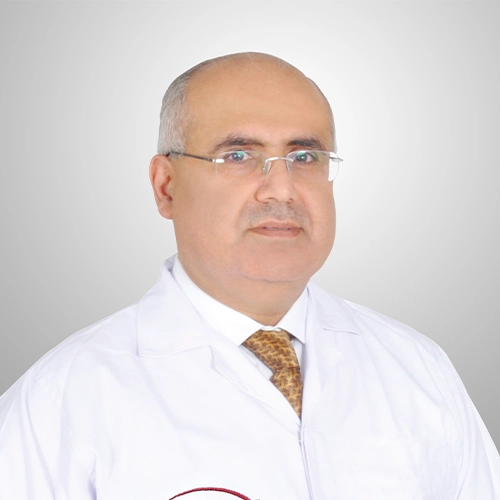
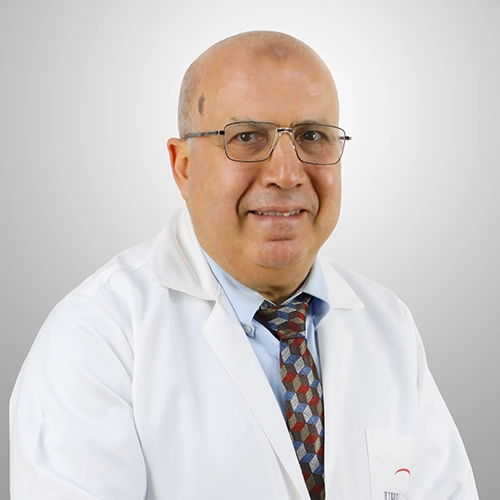
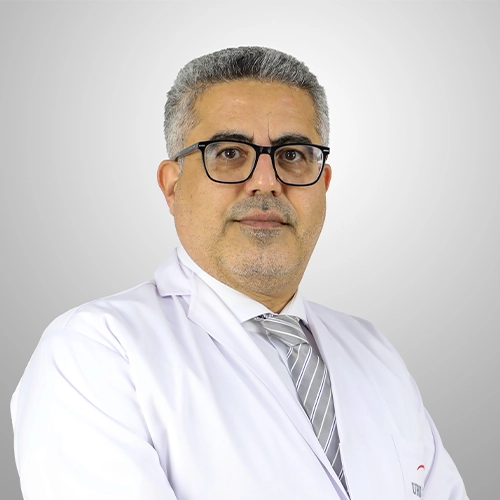
Related Doctors

Frequently Asked Questions
What is the most common early symptom of heart failure?
Because breathlessness can have many different causes, persistent symptoms should be assessed by a doctor.
What treatment options are available for heart failure?
Options may include:
Heart failure medications
Lifestyle changes
Blood pressure and diabetes management
Cardiac rehabilitation
Treatment of coronary artery or valve disease
Pacemakers or implantable cardiac devices in selected patients
Interventional or surgical procedures when clinically appropriate
A cardiologist determines the most suitable chronic heart failure treatment after a complete assessment.
Can I live a normal life with heart failure?
The outlook differs between individuals and depends on the cause and severity of heart failure, response to treatment, and other medical conditions.
How can I care for a heart failure patient?
Take medications as prescribed.
Attend regular medical appointments.
Monitor symptoms and body weight when recommended.
Follow dietary and sodium advice.
Remain appropriately active.
Manage diabetes and blood pressure.
Avoid smoking.
Recognize warning signs of worsening heart failure.
Sudden severe breathlessness, fainting, or chest pain that may indicate a heart attack requires urgent medical assessment.
Ready to take the next step?
Persistent breathlessness, swelling, fatigue, or reduced exercise tolerance should not be ignored. Book an appointment with the Cardiology team at University Hospital Sharjah for a comprehensive cardiac assessment and personalized heart failure treatment plan.